PROJECT
GreenInCities
GreenInCities aims to build a new co-creative, integrated, and collaborative approach for planning urban climate regeneration in deprived and dysfunction...
Urban greening is increasingly seen as more than environmental improvement. For cities facing heat, flooding, biodiversity loss and social inequalities, green public spaces can play an important role in climate action. They can help cities adapt to climate change, contribute to climate neutrality goals, and improve quality of life for residents.
These topics were discussed during "The Urban Greening Toolkit: Designing Inclusive Public Spaces for Climate and Community" session, held on 29 May during the Cities Mission Conference in Torino. The session brought together cities and EU-funded projects working on Nature-based Solutions, urban regeneration and climate resilience, including Commit2Green's (C2G) fellow Urban Greening and Renaturing Projects: GreenInCities, URBREATH, ReGreeneration, and ClimaGen. It focused on how urban greening can be planned, delivered, financed, and maintained in ways that respond to both climate goals and community needs.
For C2G, these topics are central. The project supports eight cities in moving beyond isolated greening interventions towards broader greening and renaturing strategies. C2G works across different scales, from districts to the wider urban fabric, and connects ecosystem services with local needs and climate resilience.
One of the main points raised during the session was the importance of involving people early in the process. Green public spaces are used in different ways by different groups, and their value depends on how well they respond to local needs. Working with residents, schools, and local stakeholders can help build trust, improve understanding of a site, and support more inclusive design decisions.
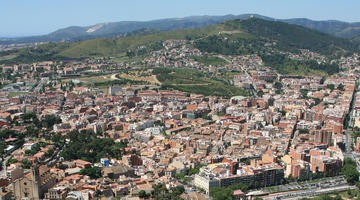
As presented during the Conference, C2G's work in the Barcelona Metropolitan Area reflects this approach. The area includes a diverse population, vulnerable groups and strong ecological potential. One of the challenges is to explain clearly what the site is meant to become: not an urban park with playgrounds and facilities, but a space that reconnects people with nature while supporting biodiversity, flood mitigation, and ecological connectivity.
In practice, this includes early engagement with schools and teachers, accessible communication tools and work to connect ecosystem services with community needs. It also requires transparency about the existing conditions of the site, what can realistically be changed, and what limitations need to be considered.

Urban Greening & Renaturing Projects at Cities Mission Conference
Implementation is also one of the factors that remain a major challenge for cities. Many cities have strong ambitions, but moving from plans to long-term action is not always simple. Cities need funding, technical capacity, coordination between departments, and long-term maintenance plans.
Nature-based Solutions can bring several benefits simultaneously, including cooling, water management, biodiversity, and better public spaces. To support planning and investment decisions, these benefits need to be clearly identified and communicated. Data and digital tools can help cities understand where interventions are most needed and how their impact can be followed over time.
For C2G, scaling and replication are addressed by linking project activities with existing local and metropolitan strategies. In the Barcelona Metropolitan Area, this includes connections with urban greening, climate adaptation, water management, urban planning and housing policies. This alignment can help Nature-based Solutions become part of wider urban priorities, rather than remaining isolated interventions.
Finally, collaboration is also important. Although cities work in different local contexts, many face similar challenges when planning and implementing Nature-based Solutions. During the Cities Mission Conference, C2G marked a significant step forward in collaboration across EU Missions by signing a Memorandum of Understanding with NetZeroCities.
At the same time, ongoing clustering activities with fellow Urban Greening and Renaturing projects has ensured the frequent sharing of best practices and methods being used to make communities across Europe greener, healthier, and more resilient.
Exchange between cities, practitioners, and EU-funded projects can help share knowledge, strengthen capacity, and support the wider uptake of effective approaches.


Signing of the Memorandum of Understanding with NetZeroCities
Publishing date: